


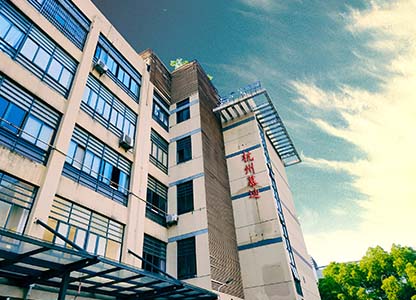
With the continuous progress of society, the issue of water pollution has always been a concern! All kinds of pollution pose certain threats to water quality. So, how should we prevent and control industrial water pollution? Let’s have a brief understanding of Hangzhou Modi together in this chapter! It can be analyzed from five aspects!
1.Strictly comply with the implementation of laws and regulations, and do a good job in time-limited governance and other work. Moreover, for some water pollution control issues, there are clear regulations on water pollution prevention and control as well as environmental protection.
insists on doing a good job in pollution prevention and control as well as the simultaneous use of design, construction and commissioning in enterprise projects, which is briefly referred to as the “three simultaneous”.
b should do a good job in the treatment of some existing pollution. Even for those with particularly serious pollution, they should be treated within the required time limit. Once it is found that any enterprise does not meet the standards or refuses to be treated, certain measures must be taken.
2.Regular cleaning and finding good cleaning jobs are issues that every industry should pay attention to. Doing a good job in clean production involves two aspects: the production process and clean products. The main purpose is the prevention and control of biochemical water pollution, which is an important way to achieve sustainable development.
3.Decentralized governance should be combined with several types of control. In our daily life, some types of pollution are basically the same, but some are quite different. If the types of sewage are basically the same, centralized control can be adopted to solve the pollution problem. However, if some special pollutants are encountered, decentralized treatment is more appropriate.
4.The technical level of wastewater treatment needs to be constantly improved and enhanced. There are various traditional methods for treating industrial wastewater, including sedimentation, ozone oxidation, ion exchange and other technologies, all of which are aimed at ensuring the safety of industrial wastewater discharge! Especially, the issue of automatic control technology for wastewater treatment facilities has been widely developed and applied, which plays a corresponding role in improving the stability of wastewater treatment facilities and other problems!
It should also be noted that the wastewater cannot be discharged directly after it has been treated. After the treatment is completed, use a water quality monitor to conduct real-time monitoring of various indicators in the sewage to see if they all meet the standards! Not only should this be done in the case of productive water pollution, but also the monitoring work related to wastewater and sewage, such as Medical Wastewater Online Monitoring and Drinking Water Real-time Monitoring, must not be relaxed to avoid serious consequences!
5.Save water. This is a task that we have always advocated in our daily life, but there are many problems in its implementation. For instance, enterprises should constantly enhance their awareness of water conservation, adopt advanced water-saving industrial equipment as much as possible, and increase the reuse rate of water. Then there is a simple example in our daily life. Some people don’t turn off the tap properly after using water, which leads to the waste of water resources. Although sometimes it’s not intentional, it’s still important to pay attention and develop good living habits!